Patient Experience
IDEO & Eli Lilly
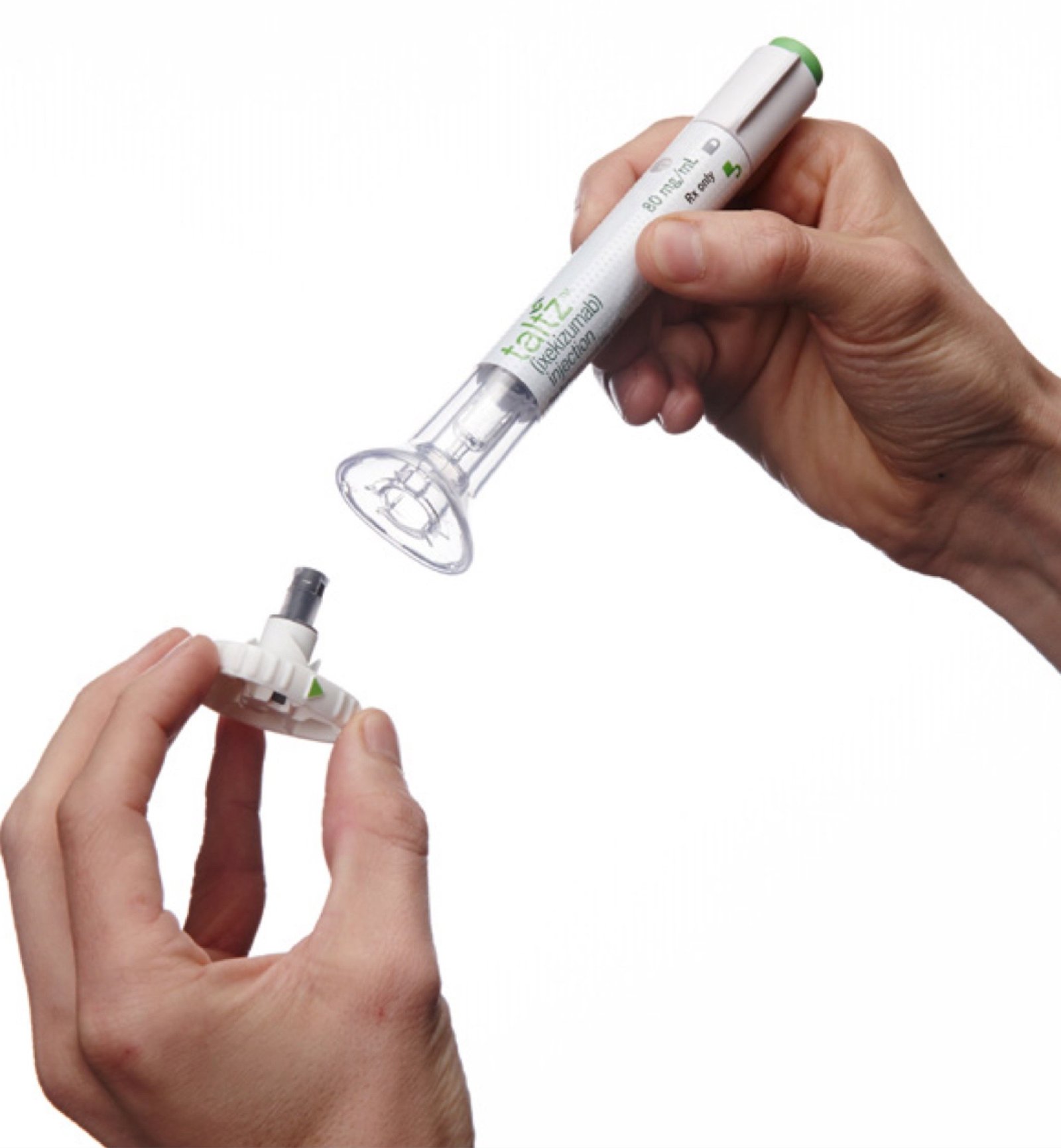
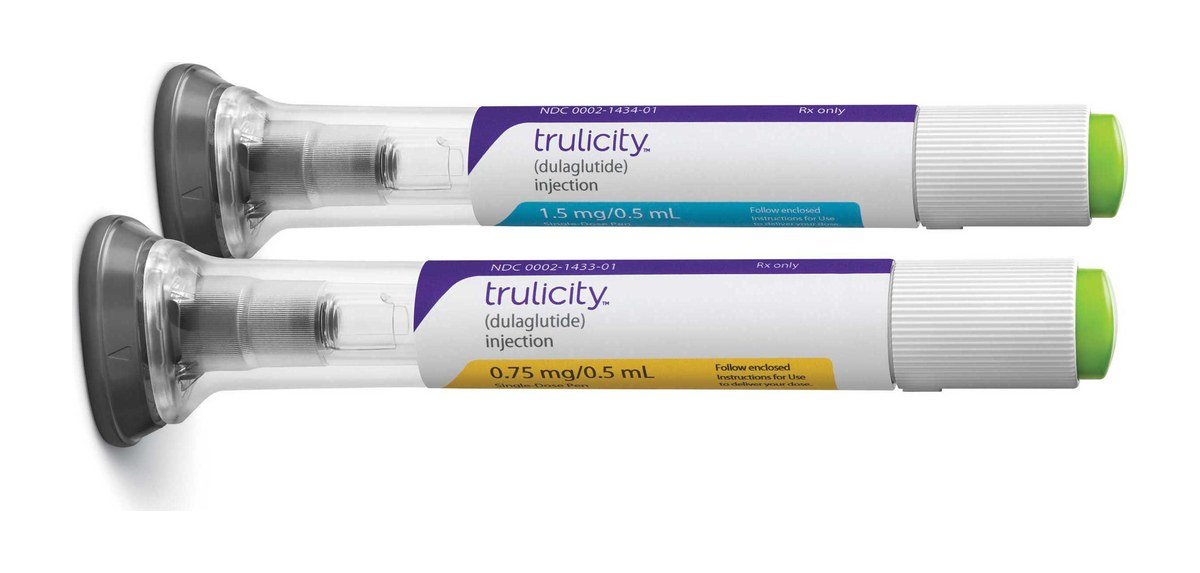
Device design for injected medicines
Design Challenge: create a paradigm-changing injector that inspires confidence in patients and trust in Lilly. Project began 2001 with primary design research; the first therapy was released in 2015.
Result: patients accepted a weekly injection because it minimized discomfort and provided control.
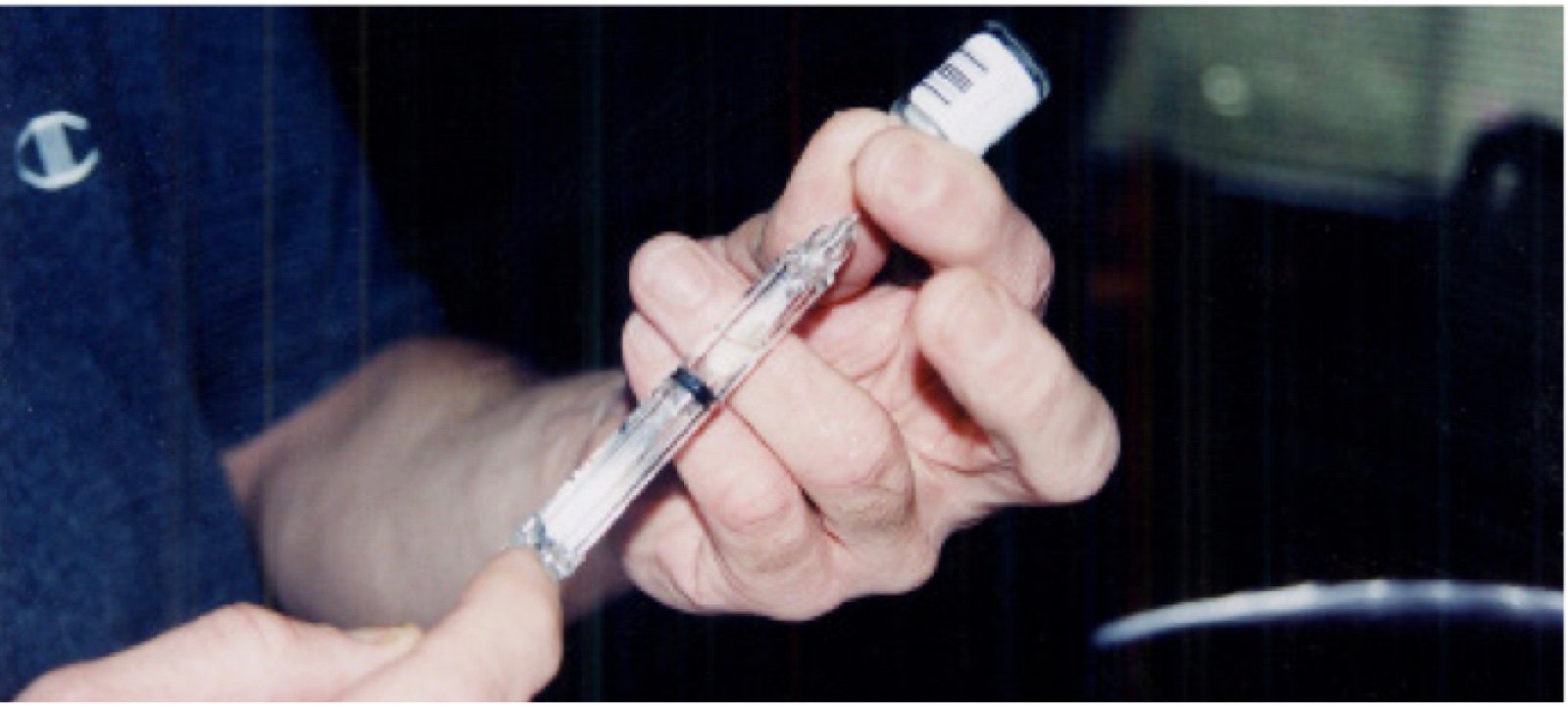
Lilly’s product pipeline was expanding to protein-based therapeutics for a dozen disease states, all of which had to be injected to bypass the digestive system. Each drug had different requirements, such as user context, dose, viscosity, stability, and storage.
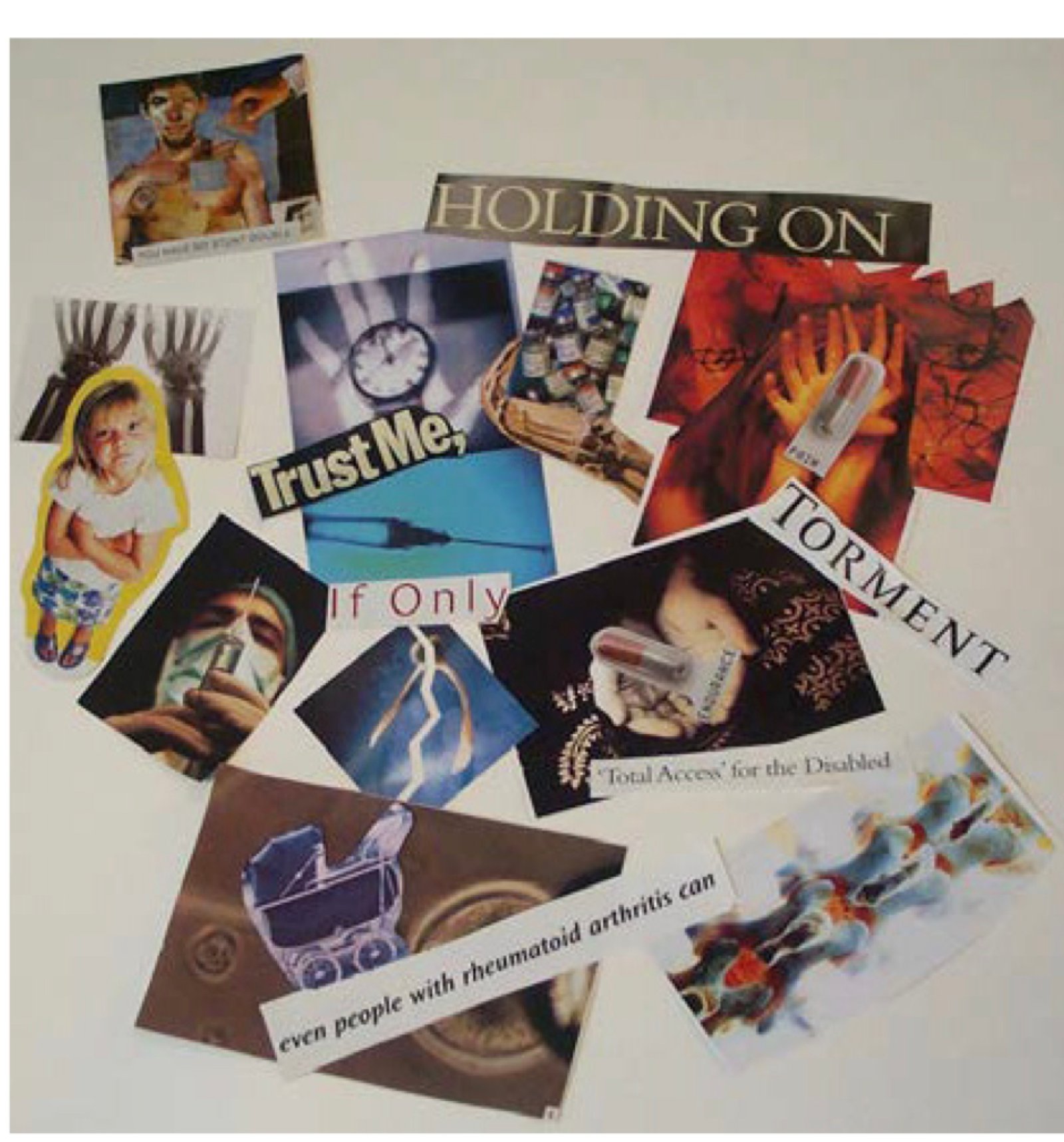
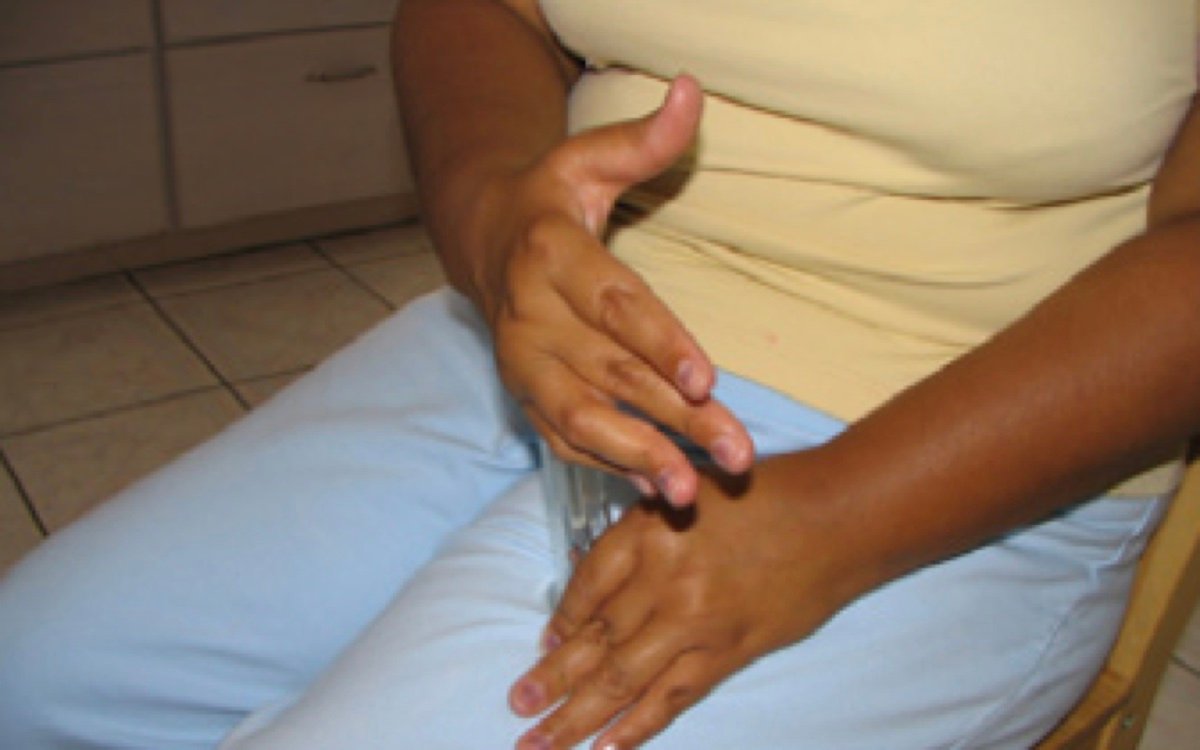
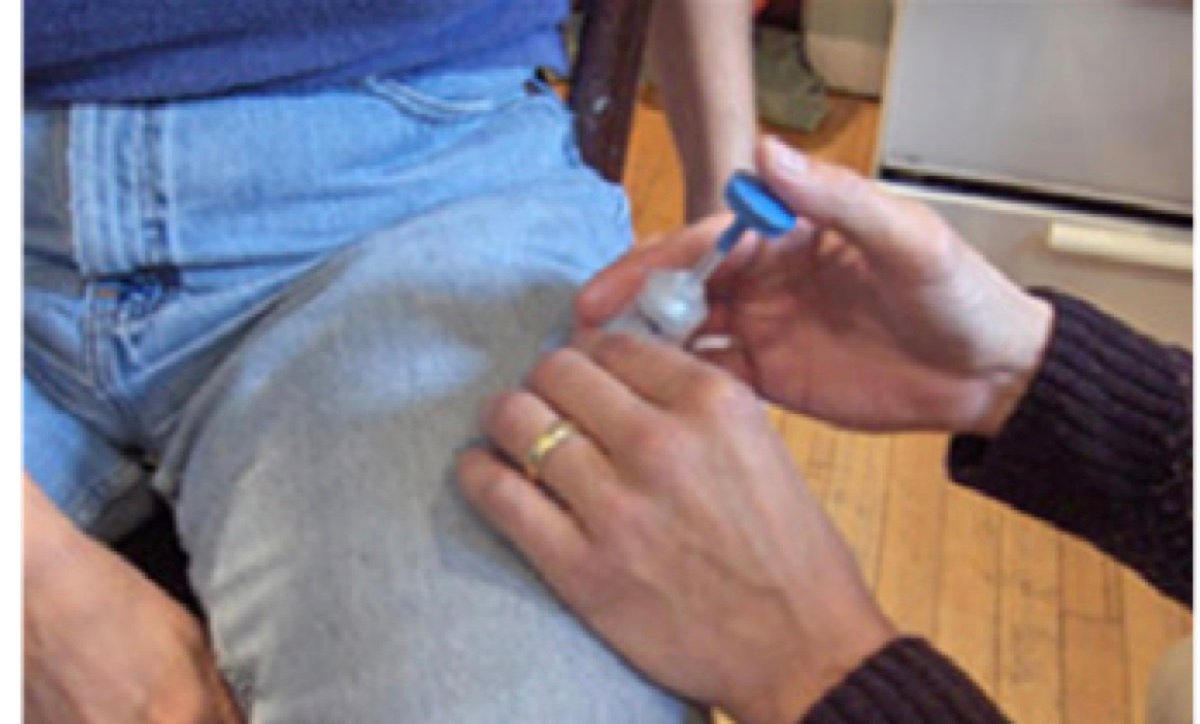
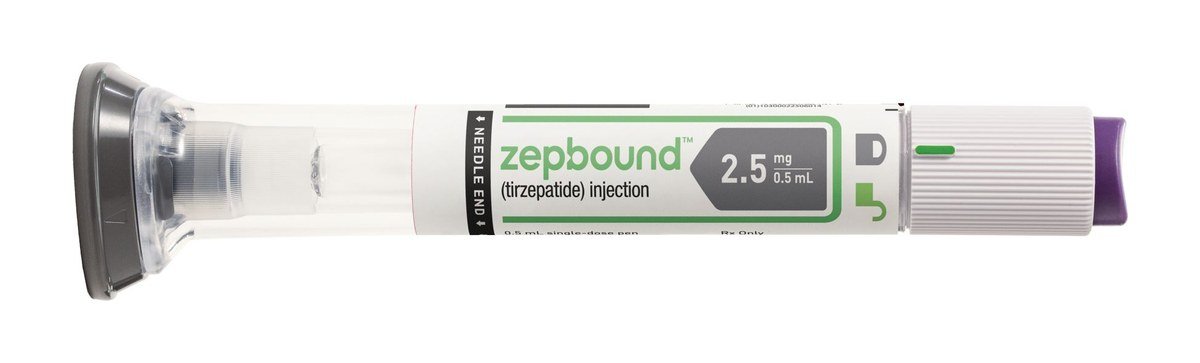
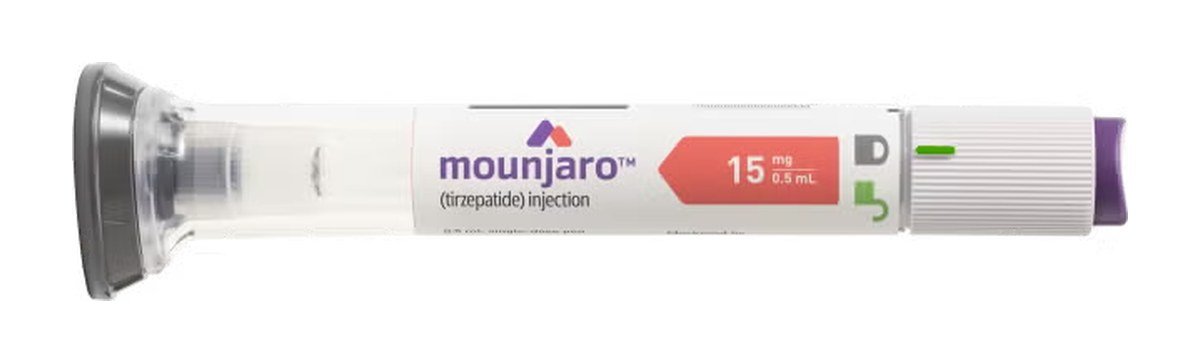
My small team researched patient experiences across five serious diseases and proposed the development of a design platform — two injector mechanisms that would support the pipeline, with industrial design changing per drug category to address specific user needs for interaction. This long-term strategy created a consistent brand expression and provided options to the business units.
After years of iterations, user testing, and FDA approvals, Trulicity was the first therapeutic in the new auto-injector, released in 2015. Taltz was marketed in 2016 and won gold in the Medical Design Excellence Awards in 2018. I am proud that this work is having measurable impact at scale.
Building the research infrastructure
As Design Research Lead, I also created a standard review & approval process for human factors research proposals, and trained IDEO researchers on HIPAA compliance and patient-drug adverse event reporting. Establishing this process opened Lilly’s access to patient-centered research, enabling IDEO to do high-risk, patient-facing research for Lilly going forward.
“I never thought about why I do things until you asked these questions. I understand myself better now!” — Jennifer, patient with severe rheumatoid arthritis