Transformative Design
Packard Children’s Hospital
Adapt patient belief systems and actions
Design Challenge: develop therapeutic relationships with anorexic girls to assist healing journeys.
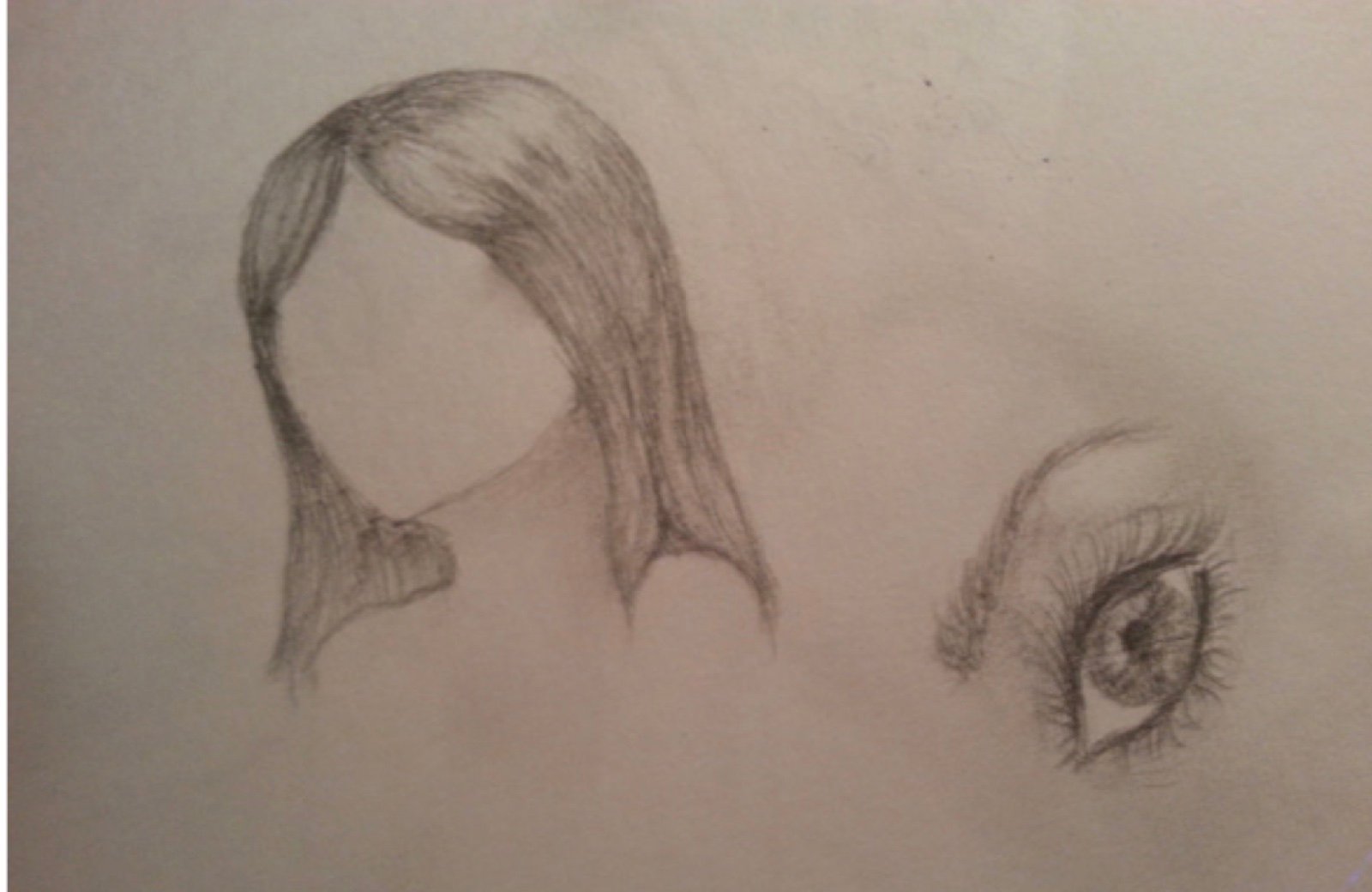
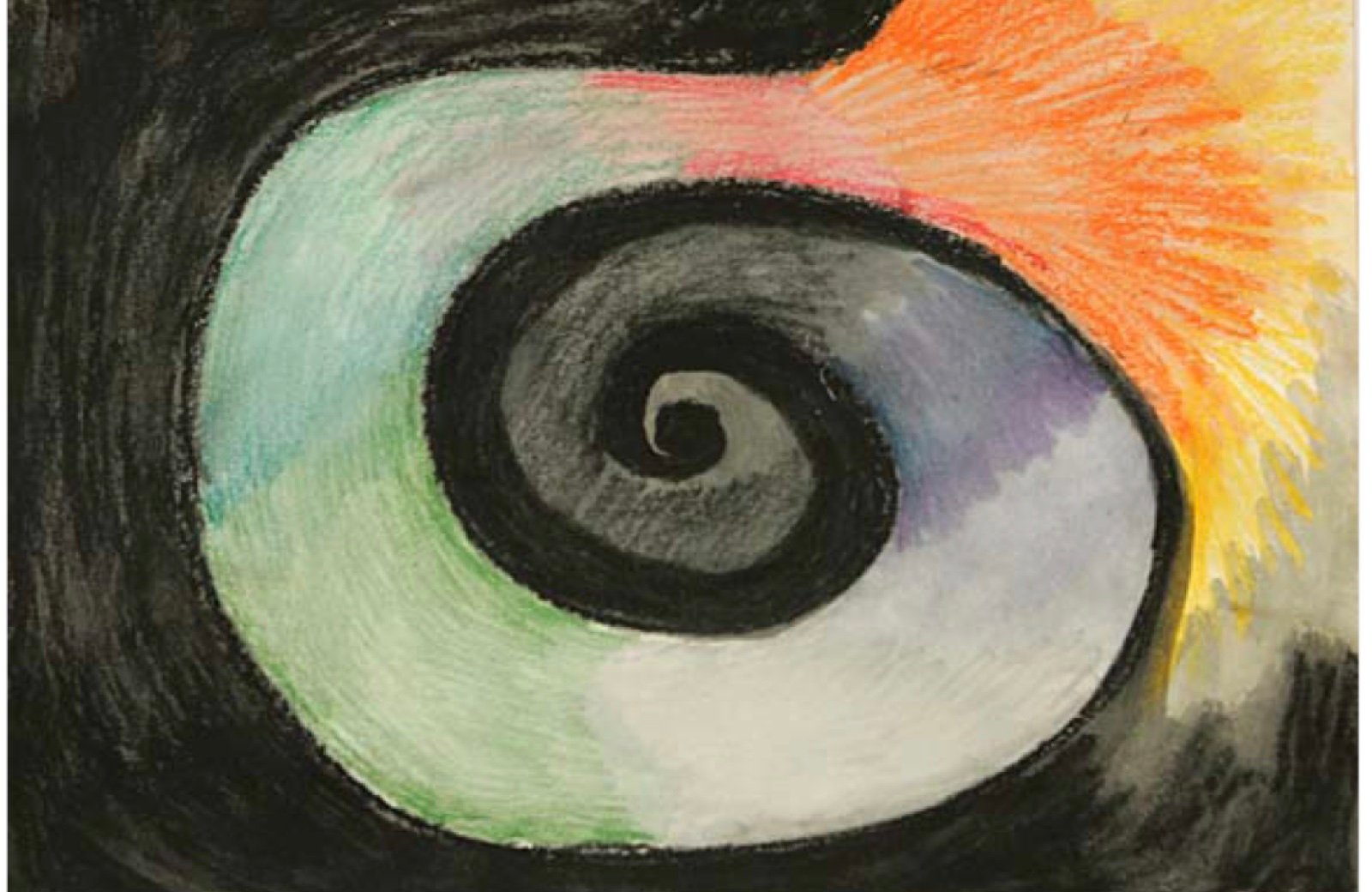
Result: visual-narrative therapy made meaning and created self-understanding that assisted patients to change self-destructive beliefs and actions, regain health, and be released from hospital.
After years at NeXT Computer, I wanted deeper involvement in crafting visual stories. I spent six months in animation school developing story lines that were attuned to relationship dynamics. A wise teacher suggested that psychology might be my next career step. I completed an MFC and became an art therapist to anorexic girls. The creative process became a platform to develop therapeutic methods.
I began a PhD in clinical psychology at this time, intending to develop new software tools for eating disorders. I understood user interface design from NeXT. The intersection of creativity and medical applications became a powerful purpose.
“Anorexia brought a sense of strength and accomplishment that I can do the impossible. Art helps me express anger. I might ask for art therapy in the outpatient clinic.” — A 14-year-old art therapy client