Utilitarian Design
IDEO & Zyliss
Reinvent kitchen tools
Design Challenge: revitalize the Zyliss brand with a suite of new, best-in-class kitchen tools.
Result: successfully launched 24 purposefully designed tools that helped people feel more accomplished with cooking.
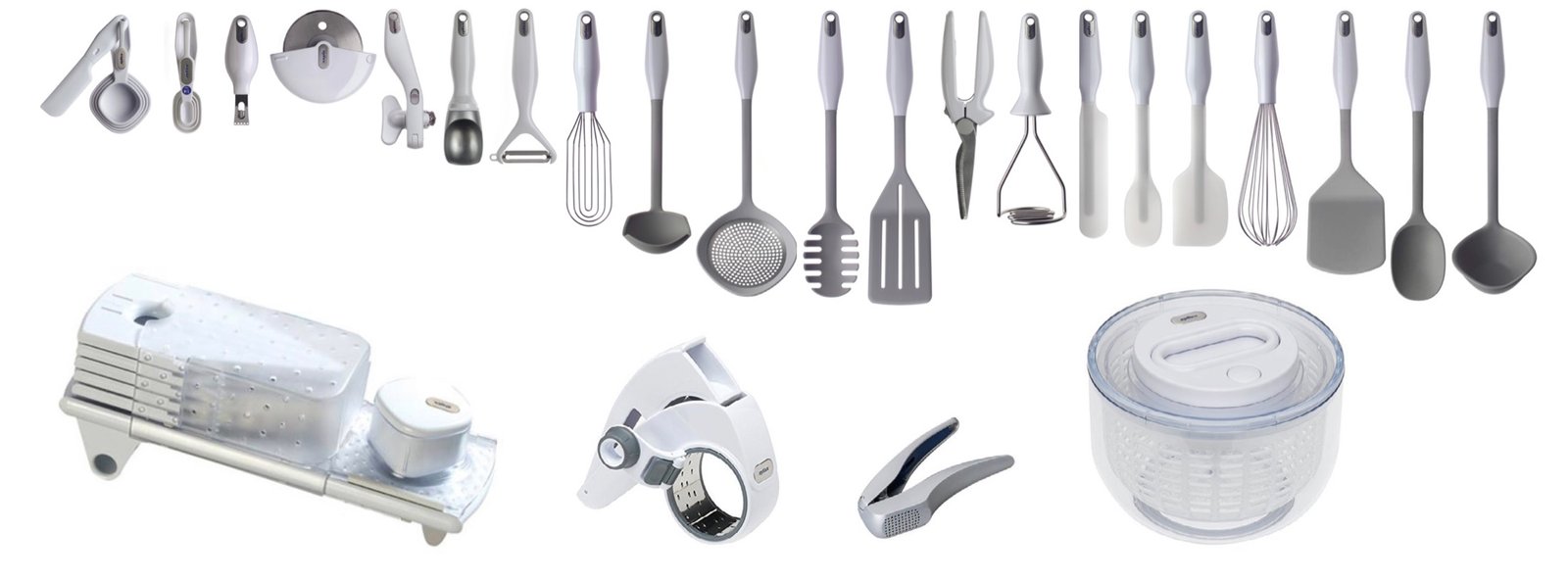
- Ice Cream Scoop
- Mandoline
- Rotary Cheese Grater
- Pizza & Pastry Cutter
- Smart Touch Salad Spinner
About halfway through my clinical psychology graduate degree, I decided to shift from helping one person at a time to making change at a larger scale. I joined IDEO as a design researcher and contributed new methods based on the therapeutic projective techniques from humanistic psychology.
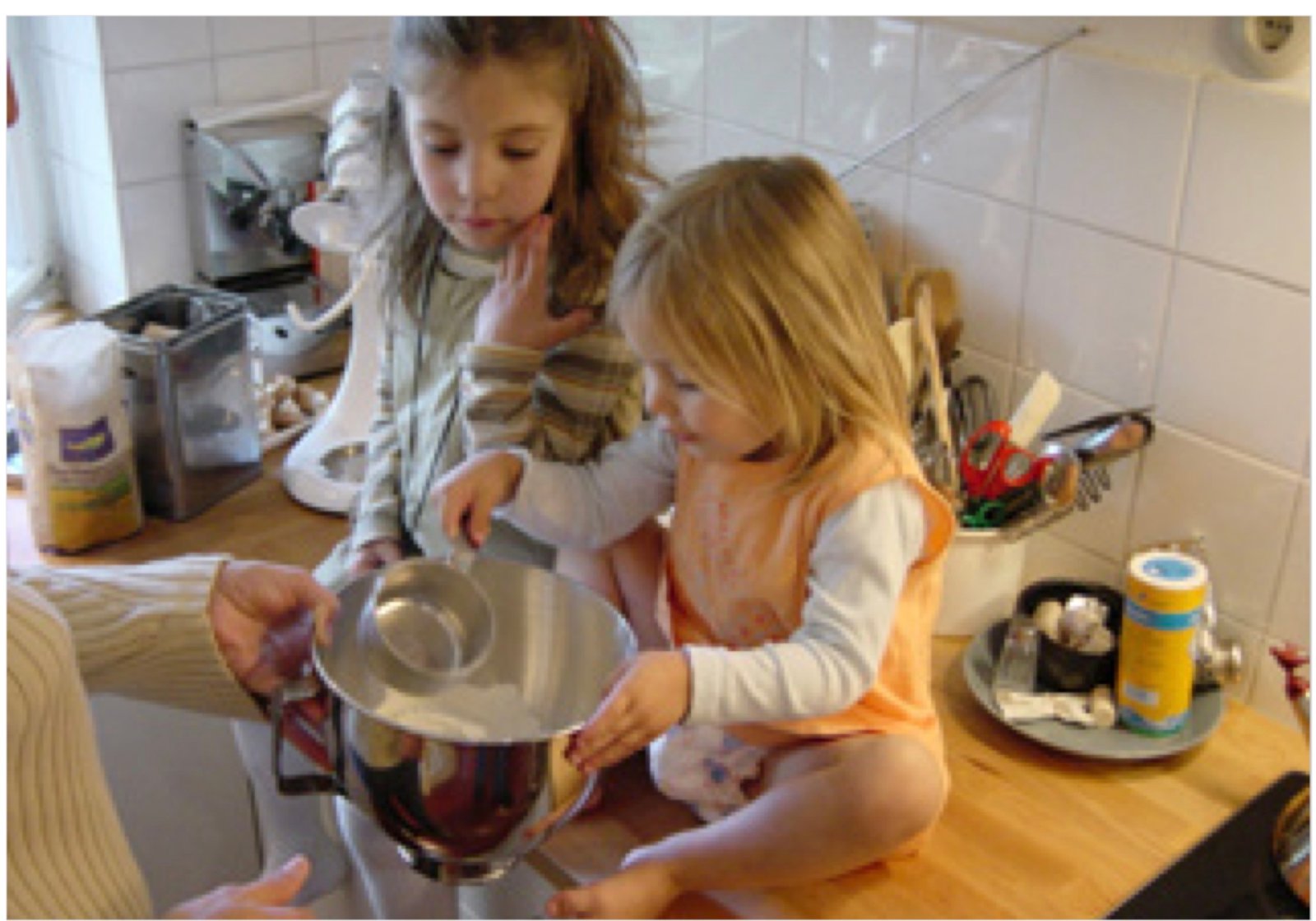
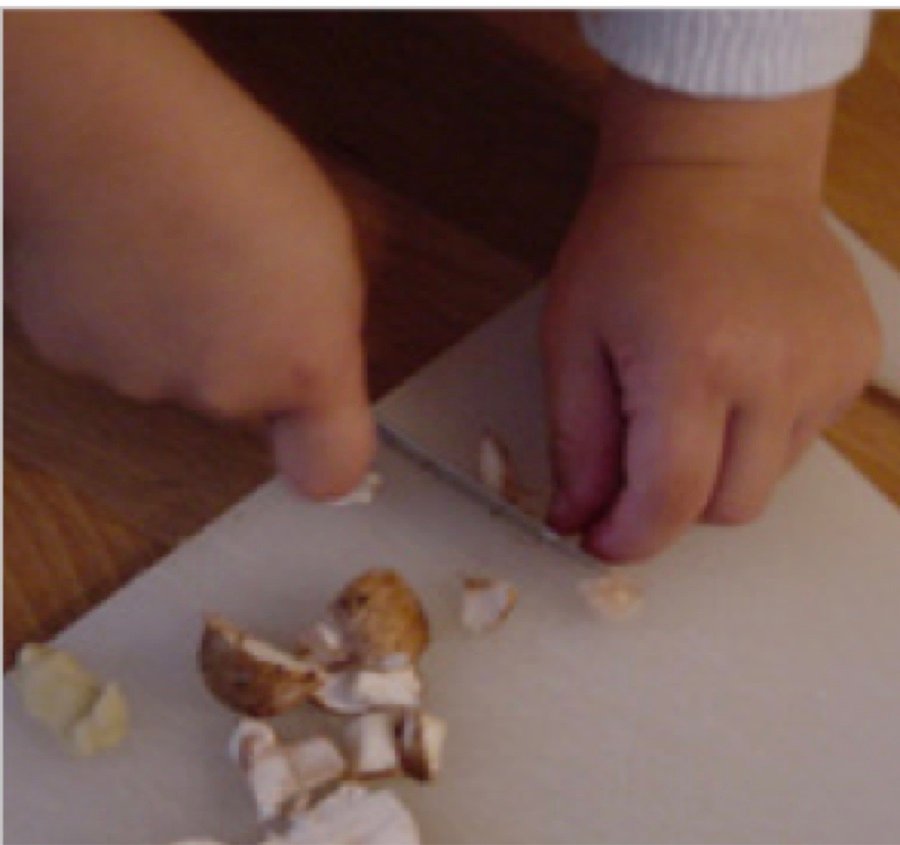
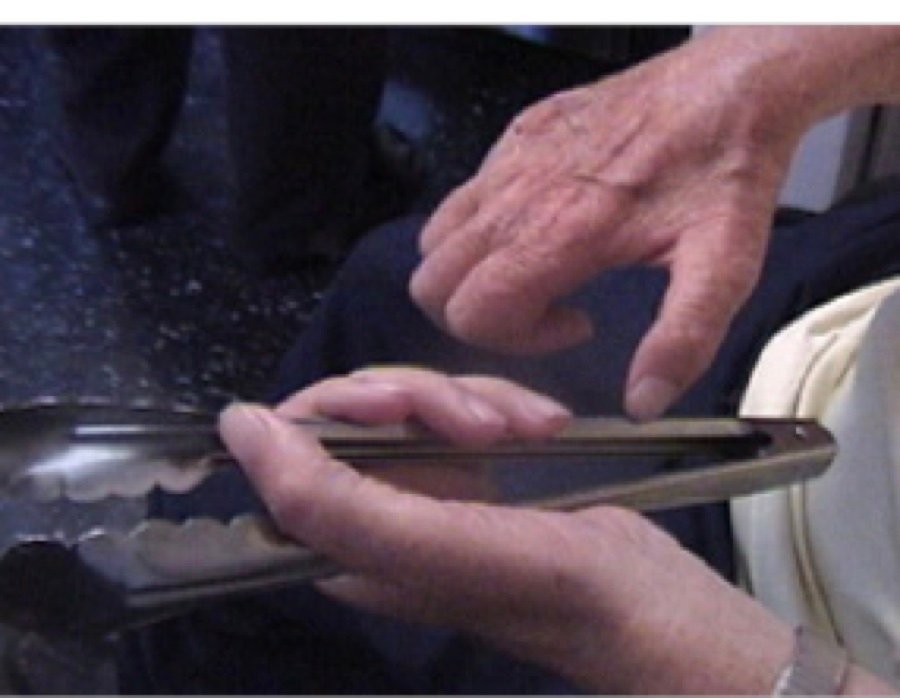
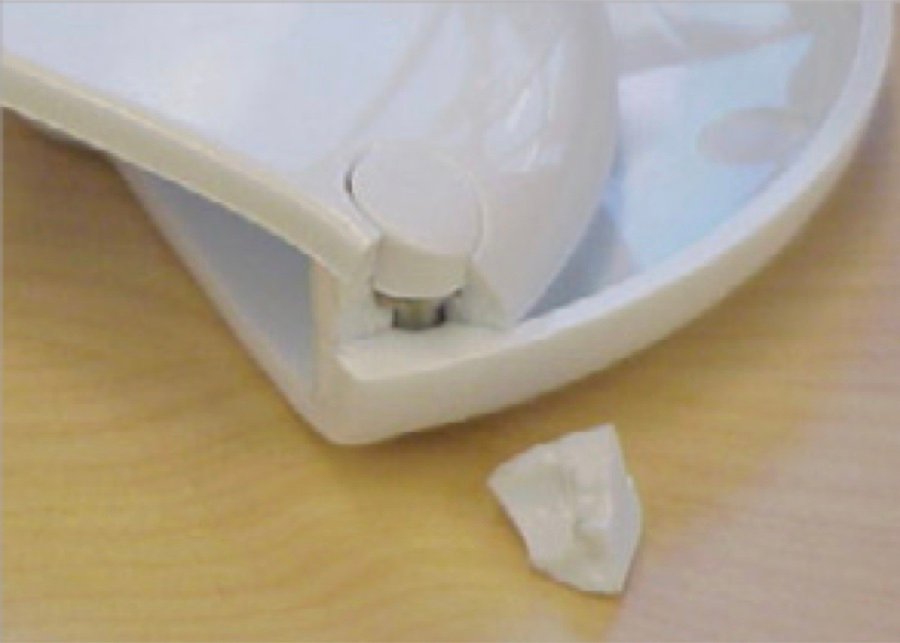
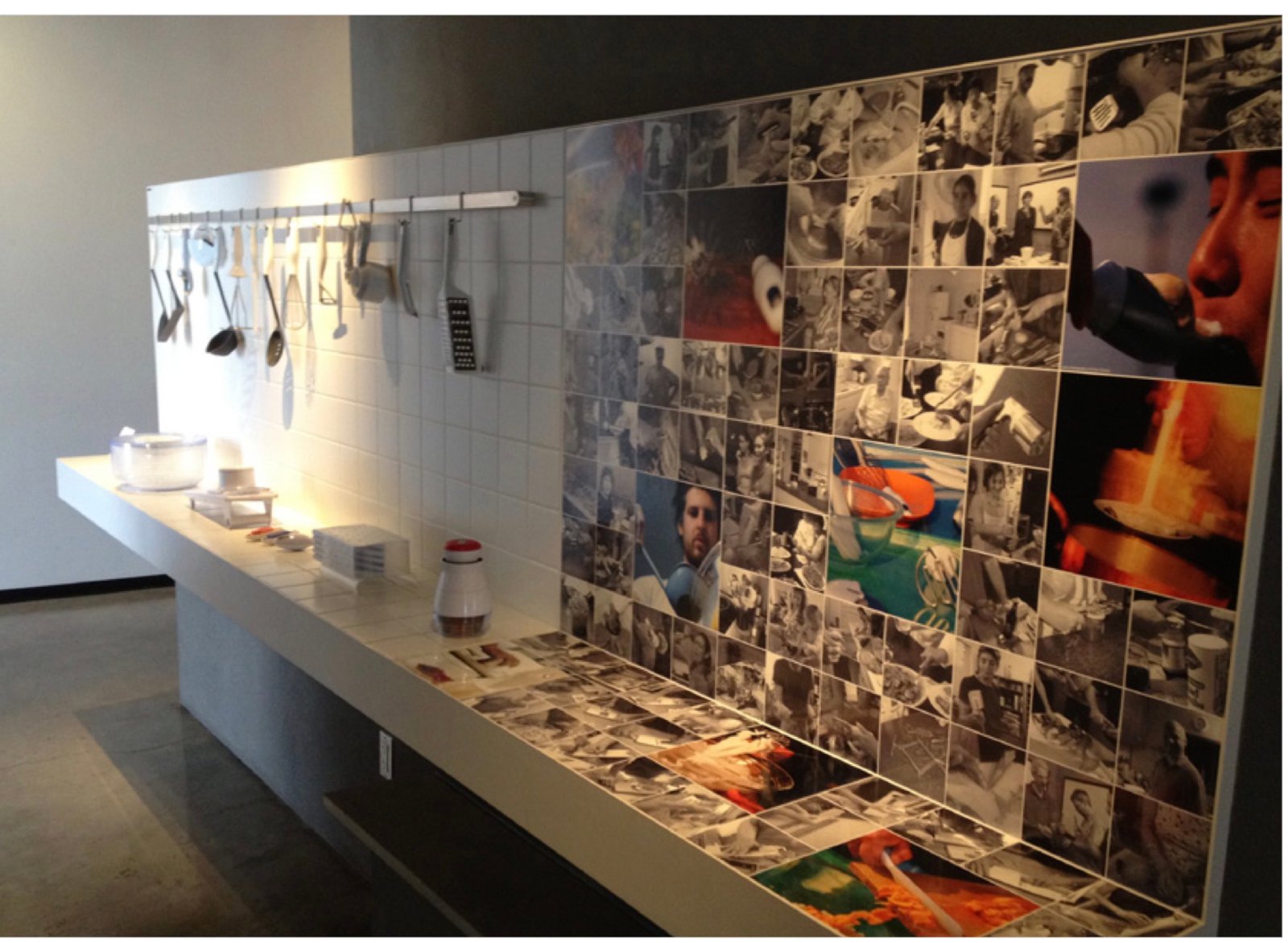
The project for Zyliss expanded their iconic salad spinner and cheese grater to a full complement of tools. I did the design research, traveling to France to study food culture, attending cooking classes for disabled people to observe user struggles, and going into private kitchens to understand how people actually used kitchen tools. I set up food preparation parties for the design team to use major competitor tools.
My team examined the nuances of physical user experience and intuitive understanding about why a tool works for the task at hand. We created essential principles that informed the industrial designers and drove the strategy for the client.
Human Factors insights were interpreted to technical requirements and guided dramatic design differentiation. The collection was designed with anthropometric details for optimal shape, cleanable elements, semi-professional function, and durability with appeal to a broad group of users. The Zyliss case study was referenced as a prime example of human-centered observation on page 44 in Change by Design, by Tim Brown, former CEO of IDEO.
“My kids love graduated cups. Measuring is the first thing they can help me with in the kitchen. It helps them practice fine motor control while learning about measurements.” — Suzana, Mom in Munich